
Foamex vs Correx vs Dibond: Which Sign Material Should You Choose?
Choosing the right material is an important part of planning any printed sign. Foamex, Correx and Dibond can all be used for signage, but they have different strengths, appearances and practical uses.
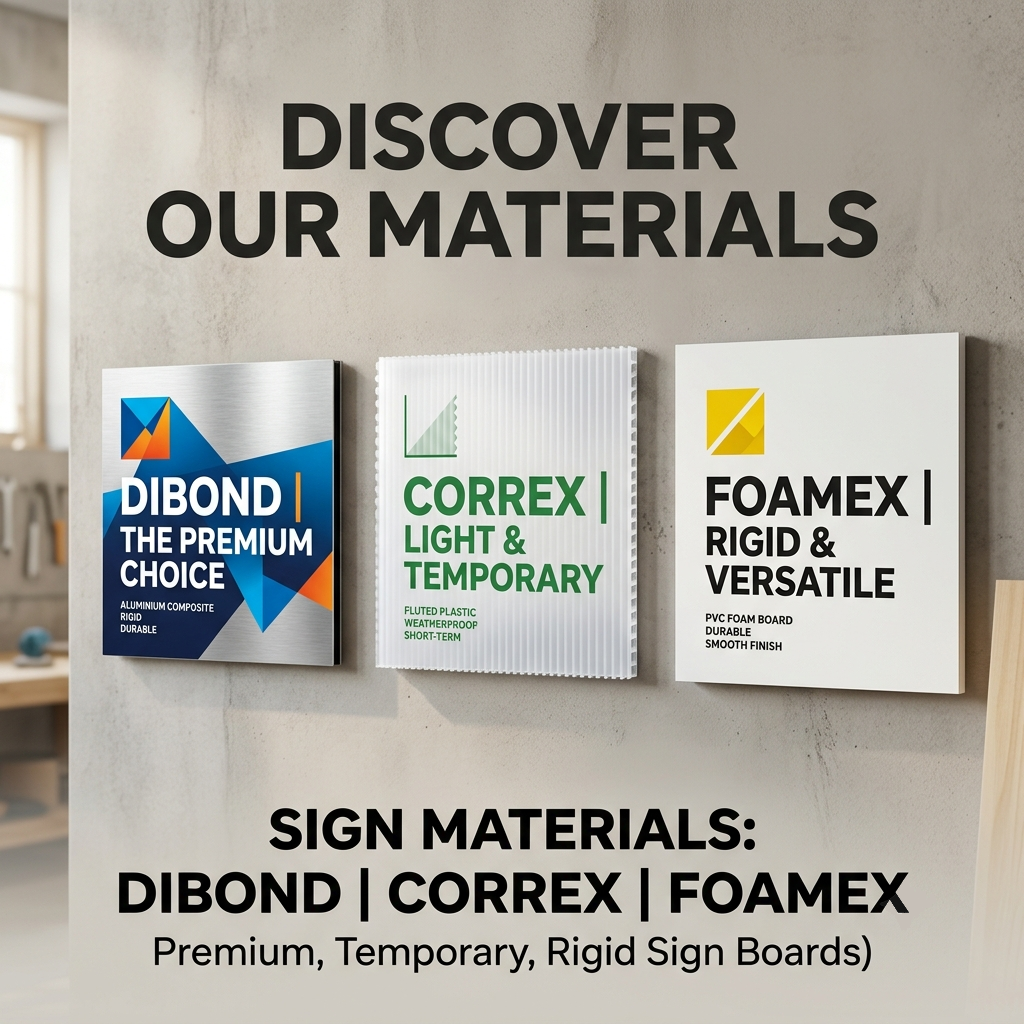

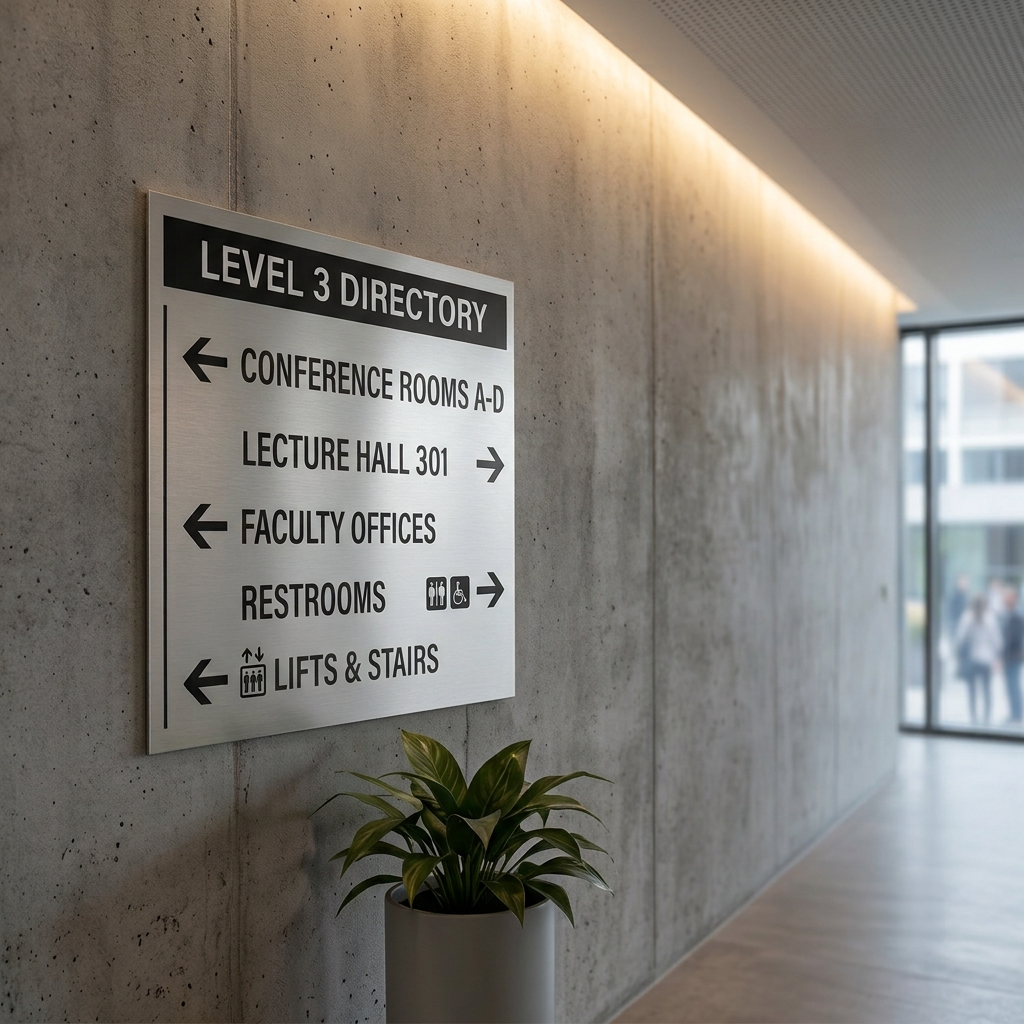
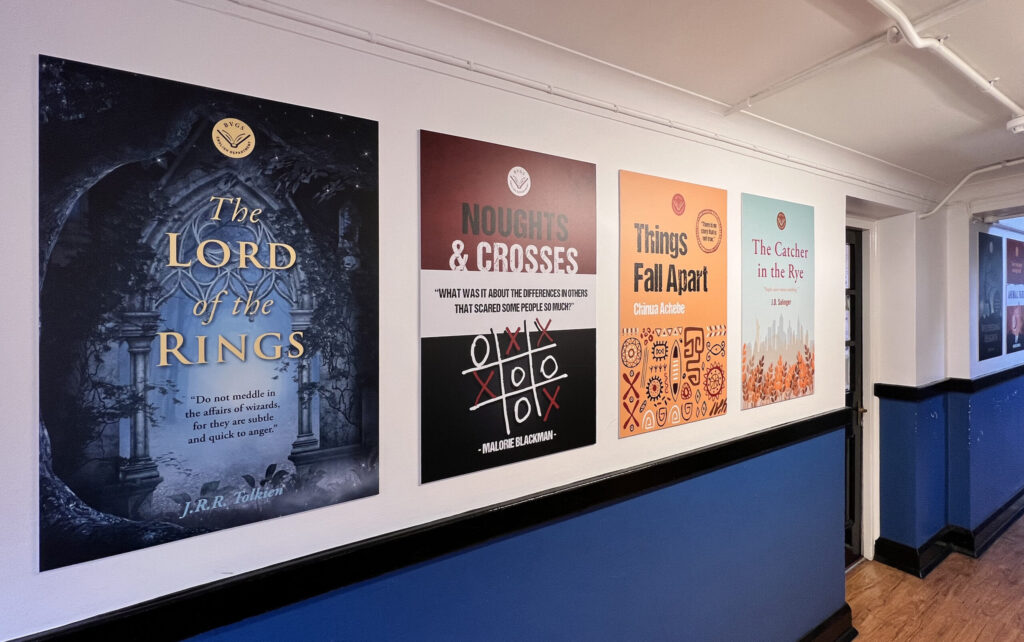
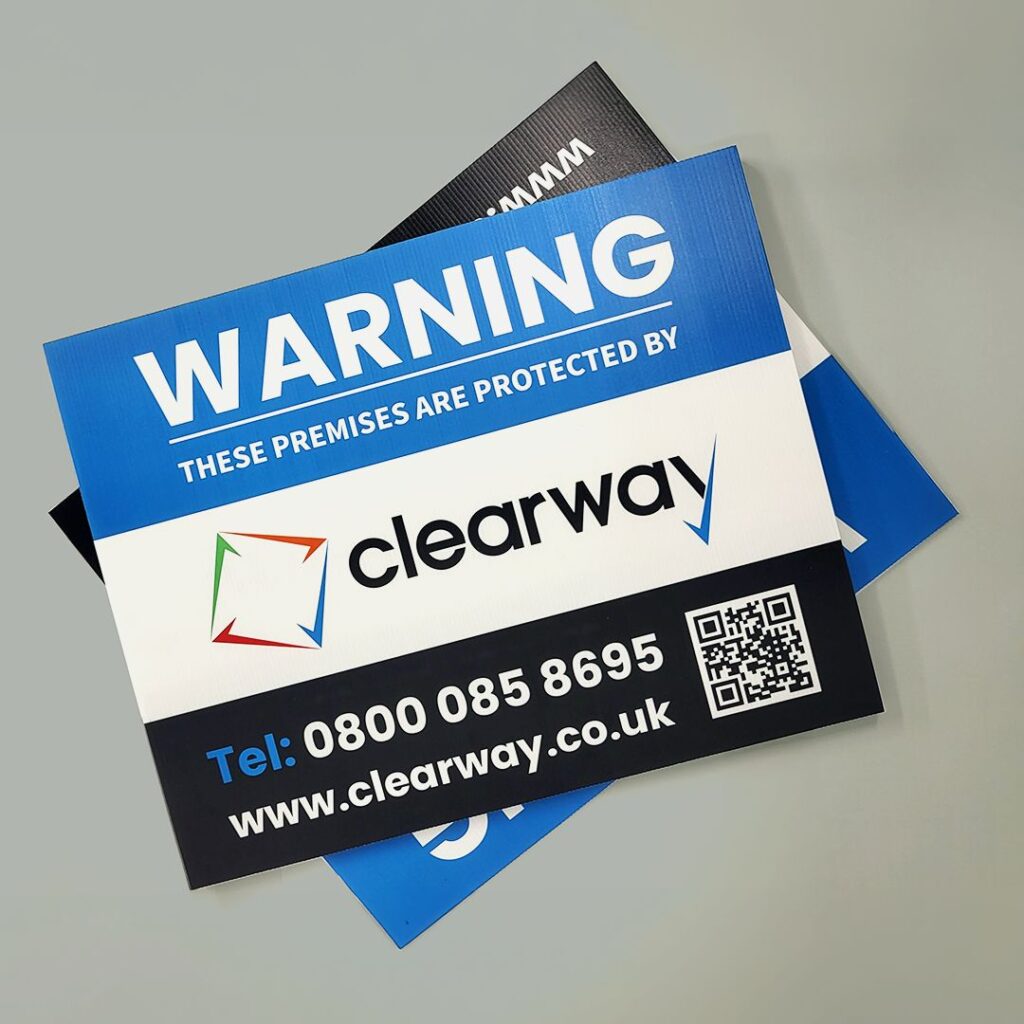
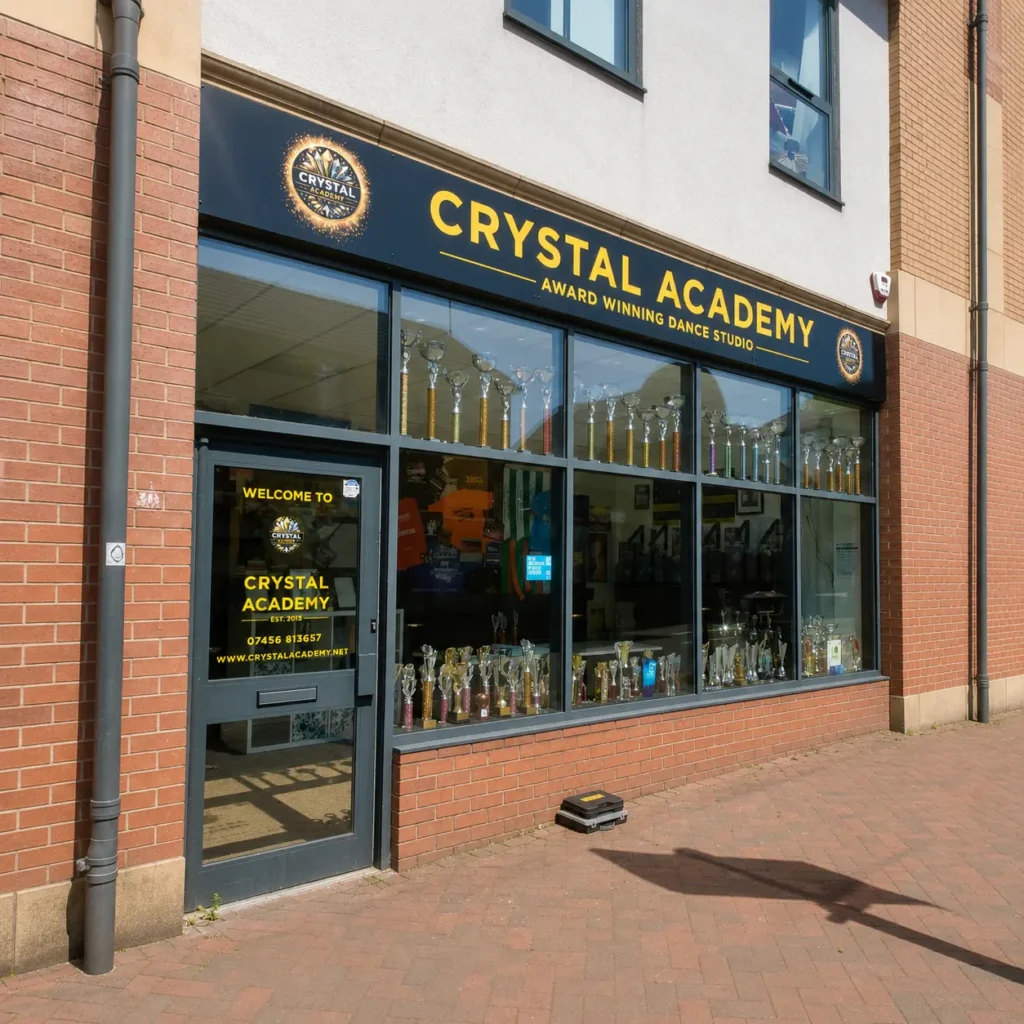
Foamex vs Correx vs Dibond: Which Sign Material Should You Choose?
The best choice will depend on where the sign will be displayed, how long it needs to last, how rigid it needs to be and the overall finish you want to achieve.
This guide explains the main differences between Foamex, Correx and Dibond in clear terms. It is designed to help businesses, tradespeople, schools, event organisers and local organisations make a more informed choice before ordering signage.
Printmonster supplies display signage for customers across Cannock and the wider West Midlands. Our team can also provide practical guidance when you are unsure which board will suit your project.
A quick note about signage material names
The names used for sign boards can sometimes be confusing because several well known product and brand names have become commonly used throughout the print and signage industry.
Correx is a brand name commonly used to describe corrugated polypropylene sheet. You may also see similar products described as corrugated plastic, fluted plastic, twin wall polypropylene or fluted polypropylene board.
Dibond is a brand name for an aluminium composite material. It is made using two thin aluminium outer sheets with a central core. Other manufacturers produce similar aluminium composite boards under different product names.
Foamex is a term commonly used within the UK signage industry for smooth foamed PVC sheet. You may also see this material described as PVC foam board, expanded PVC or foamed PVC sheet.
Throughout this guide, we use the familiar terms Foamex, Correx and Dibond because they are widely recognised by customers. The exact product or brand supplied may vary depending on the requirements of the job.
Printmonster can explain the material specification recommended for your sign before production begins.
What are Foamex, Correx and Dibond?
Foamex, Correx and Dibond are rigid or semi rigid sheet materials that can be printed with branding, directions, safety information, promotional messages and other designs.
Although they are sometimes used for similar types of signs, the materials are constructed differently.
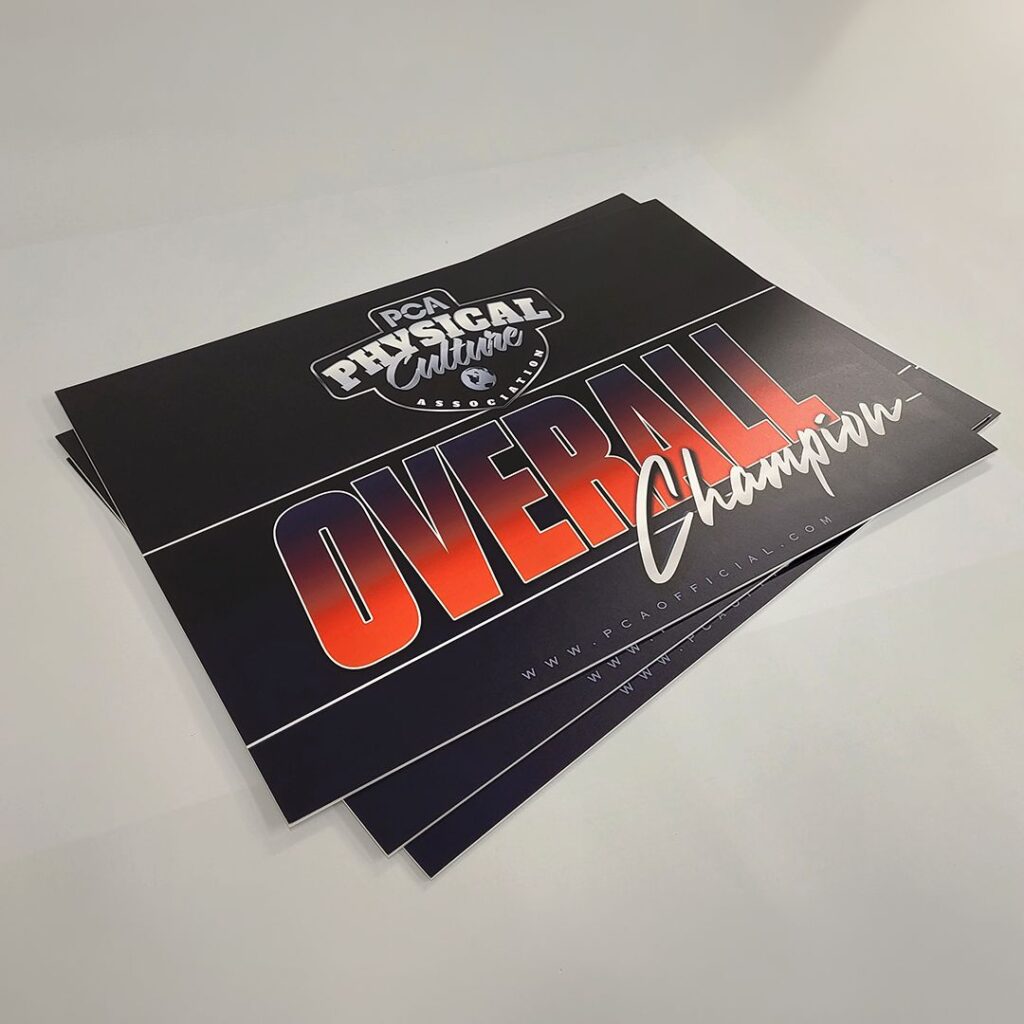
Foamex is a smooth foamed PVC board.
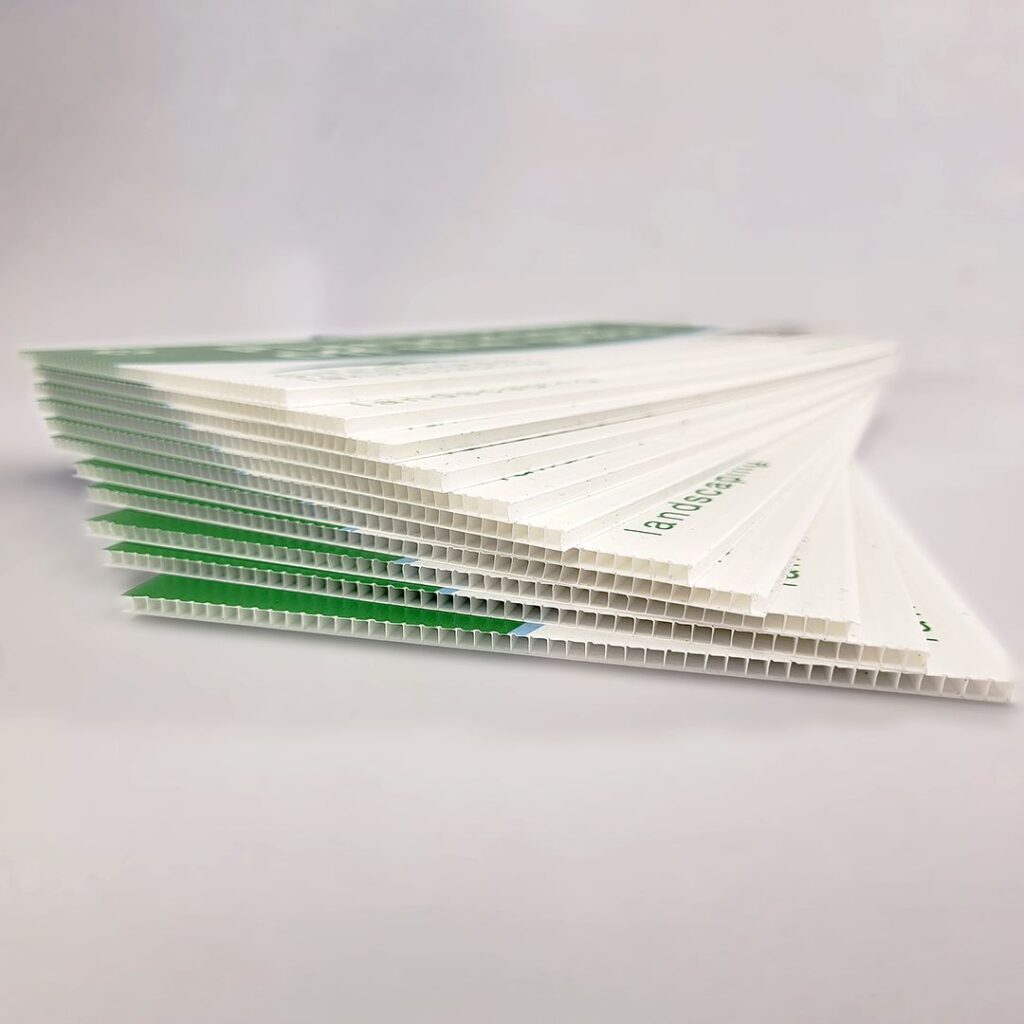
Correx is a lightweight corrugated or fluted polypropylene board.
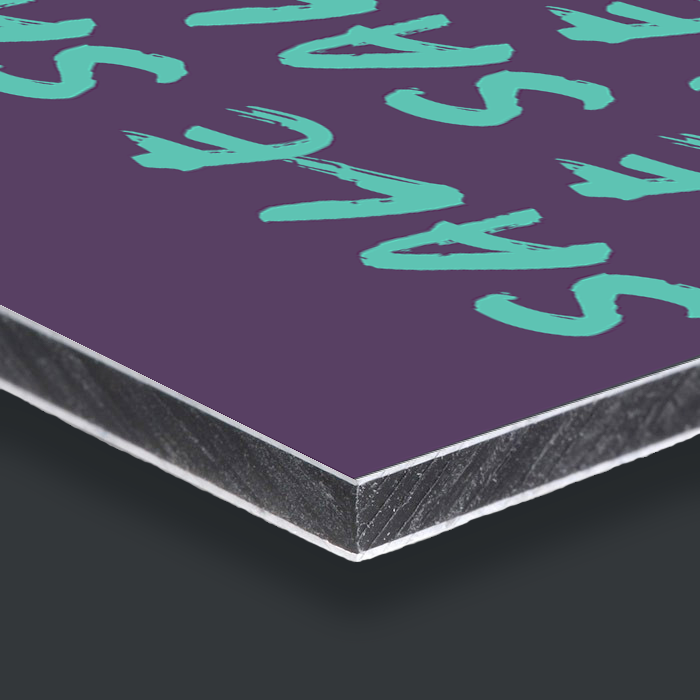
Dibond is a rigid aluminium composite material made with two thin aluminium outer sheets and a central core.
These differences affect the weight, strength, appearance and suitability of each material.
What is Foamex used for?
Foamex has a smooth and flat surface that works well with printed graphics. It is commonly chosen when a clean and professional appearance is important.
Typical uses include:
Indoor information signs
Retail display boards
Menu boards
Exhibition graphics
Wall mounted signs
Promotional display panels
Temporary outdoor signage
Foamex is more solid and smooth than Correx, which can make it a better choice for signs that will be viewed at close range.
It is also available in different thicknesses. Therefore, the most suitable option will depend on the size of the sign, how it will be displayed and whether it will be used indoors or outdoors.
Visit the Printmonster Foamex printing page for more information about printed Foamex signs and display boards.
What is Correx used for?
Correx is a lightweight corrugated plastic board with a fluted internal structure. It is often selected for temporary signs because it is practical, easy to handle and suitable for many short term applications.
Common uses include:
Estate agent boards
Event direction signs
Temporary site notices
Promotional boards
Campaign signs
Construction and development signage
Short term outdoor information signs
Correx is usually most suitable when a sign needs to be lightweight and easy to position.
The fluted structure can sometimes be visible when viewed closely, so it may not provide the same solid appearance as Foamex or Dibond. However, this is often less important for temporary signs that are viewed from a distance.
Find out more about lightweight temporary signage on the Printmonster Correx printing page.
What is Dibond used for?
Dibond is a commonly used name for aluminium composite material. It is made from two thin aluminium outer sheets with a central core.
This construction creates a strong, rigid board with a smooth surface that can produce a professional printed finish.
Typical uses include:
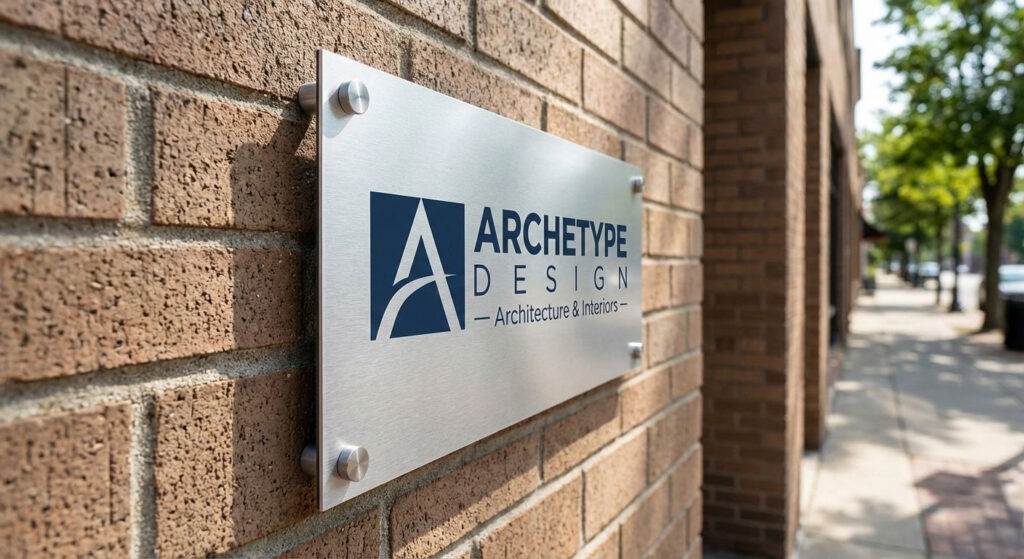
Longer term outdoor signs
Business premises signs
Building signs
Directional signage
Car park signs
Wall mounted branding
Information panels
Shop and office signage
Dibond is generally chosen when the sign needs to feel more permanent and remain rigid over a longer period.
Its construction also makes it useful for larger signs because it is more resistant to bending than lightweight corrugated board options.
Visit the Printmonster Dibond printing page to learn more about printed aluminium composite signage.
Foamex vs Correx vs Dibond at a glance
Foamex
Foamex is a smooth foamed PVC board with a clean printed appearance.
It is suitable for many indoor signs, display panels and selected temporary outdoor applications.
It is a useful middle option when you need something more substantial than Correx but do not require the rigidity of aluminium composite material.
Correx
Correx is a lightweight corrugated polypropylene board.
It is commonly used for temporary signage, events, property boards and short term site information.
It can be a suitable choice when the sign needs to be moved, installed temporarily or produced for a short campaign.
Dibond
Dibond is a well known brand of aluminium composite material.
It is strong, smooth and rigid, making it well suited to longer term signage.
It is often selected for exterior business signs, directional panels and signage fitted to buildings or other solid surfaces.
It generally provides the most permanent appearance of the three materials.
Which material is best for indoor signs?
For indoor signage, Foamex is often a practical choice because it has a smooth surface and can produce a clean display finish.
It can be used for information panels, wall signs, retail displays and event graphics.
Correx may also be suitable indoors when the sign is temporary, lightweight or only required for a short period. For example, it may work well for temporary directions at an event.
Dibond can be used indoors where a more rigid or permanent looking sign is required. This may include reception signs, branded wall panels or permanent direction signs.
For branded graphics covering a larger indoor surface, you may also want to consider wall graphics instead of a separate rigid board.
The decision should be based on the required appearance, size and length of use rather than choosing the strongest material automatically.

Which material is best for outdoor signs?
Outdoor signage needs careful planning because it may be exposed to wind, rain, changing temperatures and physical movement.
Correx is widely used for temporary outdoor signs. However, the sign must be installed securely and used in an appropriate location.
Foamex may be suitable for selected outdoor applications, particularly when the board is supported correctly. The thickness of the material and the chosen fixing method will be important.
Dibond or another suitable aluminium composite material is generally the strongest of the three options for longer term outdoor signage.
Its rigid construction makes it suitable for many permanent and semi permanent sign applications.
For temporary promotions, openings and events, a printed banner may also be worth considering. Banners can be useful when rigid boards are not practical or when the display needs to cover a wider space.
The surrounding environment should always be considered. A sign in a sheltered position will face different conditions from one installed in an open or exposed area.
How long will the sign be needed?
The expected lifespan of the sign can help narrow down the available options.
For a short event, campaign or temporary notice, Correx may be suitable.
For an indoor display or a sign needed for a moderate period, Foamex may offer the right balance of appearance and rigidity.
For a longer term business sign or exterior panel, Dibond or another aluminium composite material may be the more appropriate choice.
For changing messages outside a shop, showroom or event venue, pavement signs may provide a more flexible alternative to a permanently fixed board.
It is useful to tell Printmonster how long you expect to use the sign. This allows the team to consider the material, print method and finishing options together.
What size and finish do you need?
The size of the sign can affect which board is most suitable.
A small sign may work well in any of the three materials. However, larger boards need enough rigidity to stay flat and remain secure.
Large Correx signs may need additional support because the material is lightweight. Foamex is more solid, while aluminium composite material is generally the most rigid option.
You should also consider how the sign will be viewed.
A close range display may benefit from the smooth appearance of Foamex or Dibond. A temporary direction sign viewed from a distance may not require the same finish.
The artwork, colours, text size and layout also affect the final result. Clear wording and strong contrast are especially important for signs that need to be read quickly.
For signs used around building projects, developments or construction areas, Printmonster can also supply printed site boards for displaying branding, project information and site notices.
Should you choose a board or another type of signage?
Foamex, Correx and Dibond are not the only signage options available.
A printed board may work well when you need a clear rectangular sign that can be fitted to a wall, fence, post or supporting structure. However, another type of signage may be better in some locations.
For example, window graphics can add branding, opening information, privacy or promotional messages directly to glass.
Floor graphics can be used for directions, safety information and promotional messages in suitable indoor spaces.
Wall graphics can create larger branded displays without installing a separate sign board.
For shops and business premises, the Printmonster shop signage service can help bring different sign and graphic elements together.
You can explore these options through the main Display Signage section.
Choosing the right signage material
Before choosing between Foamex, Correx and Dibond, consider the following questions:
Will the sign be displayed indoors or outdoors?
Is the location sheltered or exposed?
How long will the sign be used?
Does the sign need to be moved?
How large will the finished board be?
Will it be viewed closely or from a distance?
Does the sign need a temporary or permanent appearance?
How will the sign be fixed or supported?
Providing this information can make it easier for Printmonster to recommend a suitable option.
If you already have artwork, you can send it to the team for checking. If your design still needs preparing, Printmonster also provides expert design and artwork support.
You can find further practical advice in the Printmonster Print Resources and Artwork Help section.
See related signage projects
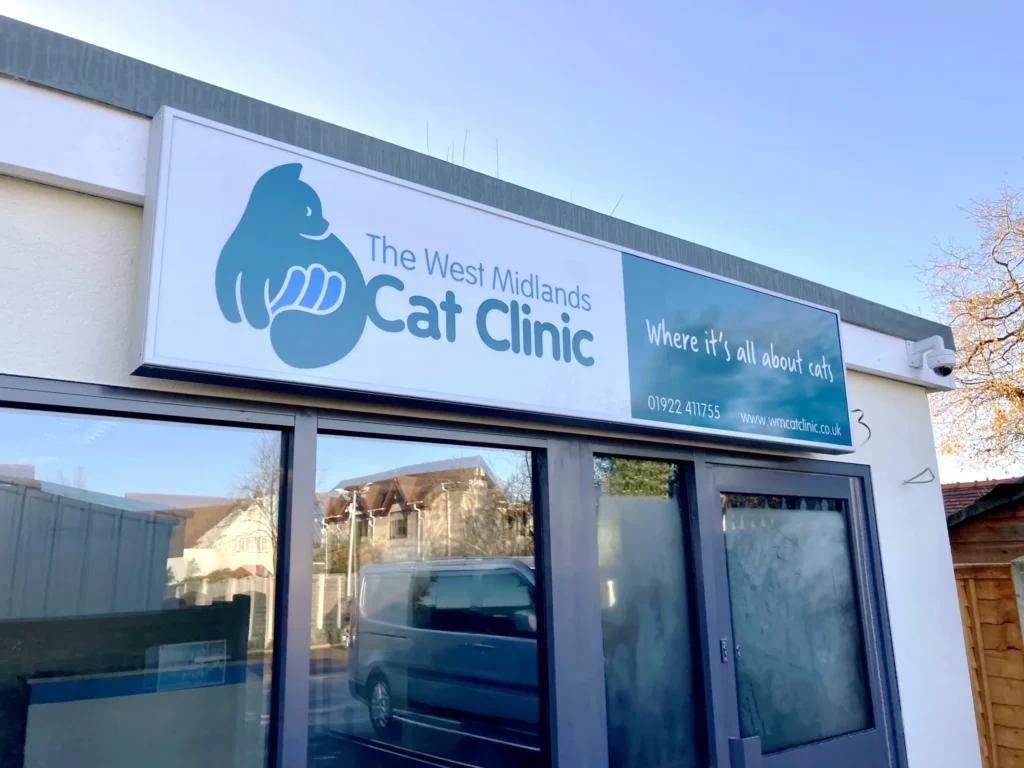
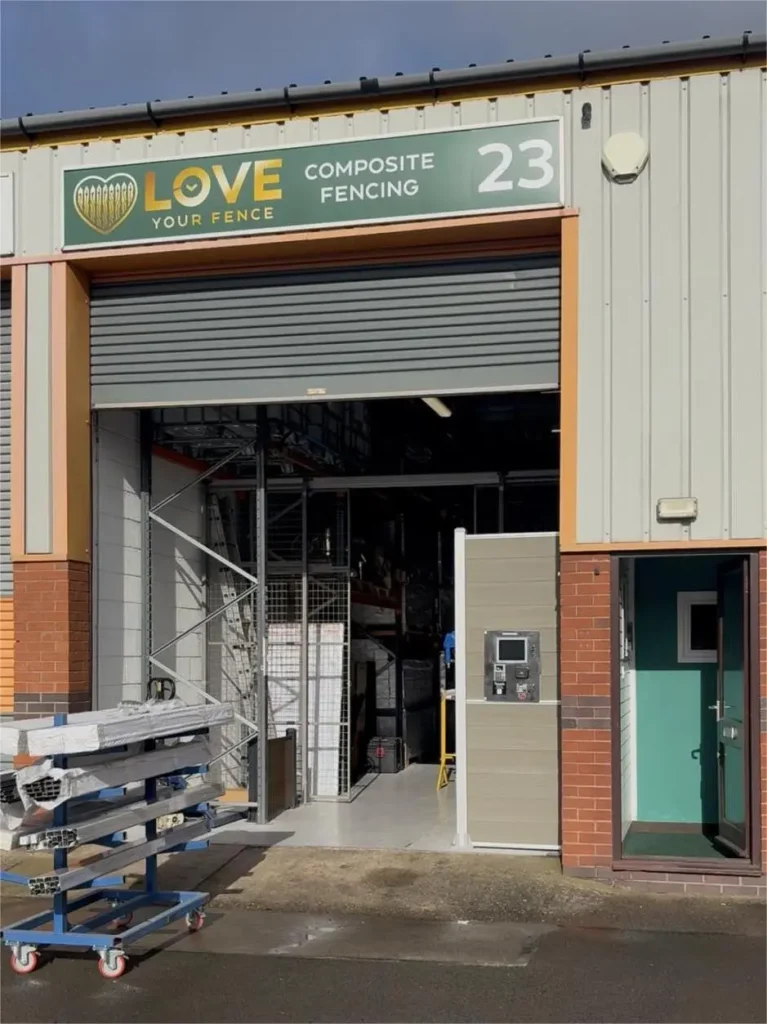
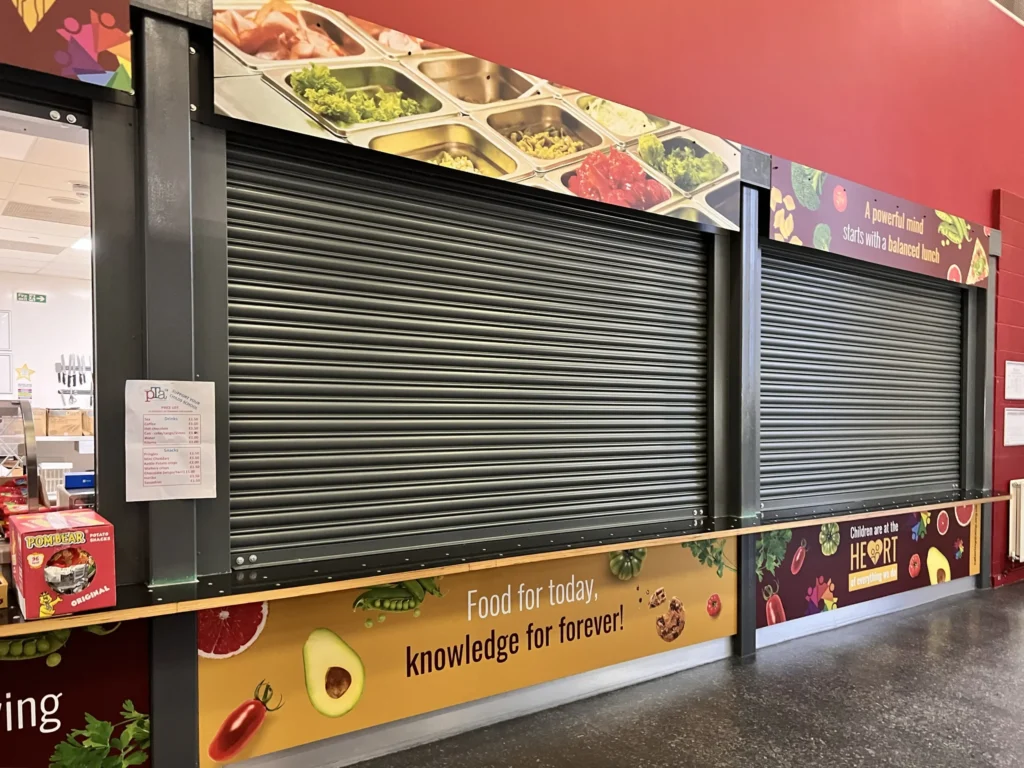
Signage can be used in many different ways, from shop fronts and doors to windows, walls and display areas.
Visit our signage hub page to see the full options available.
These examples can help you understand what may be possible before you send your artwork or request a quote.
Need help choosing a sign board?
Choosing the right sign material does not need to be complicated.
Tell Printmonster where the sign will be displayed, the size you need, how long it will be used and how you plan to install it. Our team can then help you compare suitable signage and display options.
We support businesses, tradespeople, shops, offices, schools, charities and organisations throughout Cannock and the wider West Midlands.
Contact Printmonster for practical advice about Foamex, Correx, Dibond and other printed signage materials.
Signage FAQ
Are Foamex, Correx and Dibond brand names?
Correx and Dibond are well known brand names that are commonly used as general terms within the signage industry. Foamex is also widely used in the UK as a familiar name for foamed PVC board. Similar materials may be available under other product or manufacturer names.
What is the main difference between Foamex, Correx and Dibond?
Foamex is a smooth foamed PVC board. Correx is a lightweight corrugated polypropylene board. Dibond is a brand of rigid aluminium composite material. Each option has a different weight, strength, appearance and intended use.
What is Correx made from?
Correx is made from corrugated or fluted polypropylene. Its internal channels help keep the board lightweight while providing enough structure for many temporary signs.
What is Dibond made from?
Dibond is an aluminium composite material. It has two thin aluminium outer sheets with a central core, creating a smooth and rigid sign board.
What is Foamex made from?
Foamex is a foamed PVC sheet. It has a smooth surface and is commonly used for indoor signage, display panels and selected outdoor applications.
Is Correx suitable for outdoor signs?
Correx is often used for temporary outdoor signs, event directions, property boards and short term notices. It should be installed securely and used in a suitable location.
Can Foamex be used outside?
Foamex can be suitable for selected outdoor signage applications. The board thickness, sign size, fixing method and level of exposure should all be considered.
Is Dibond suitable for permanent signage?
Dibond and similar aluminium composite materials are commonly used for longer term and permanent looking signage because they are strong and rigid. Suitability will still depend on the location, sign size and installation method.
Which material is best for a temporary event sign?
Correx is often a practical choice for temporary event signage because it is lightweight and easy to handle. Foamex may be preferred when a smoother or more substantial finish is required.
Which material gives the smoothest printed appearance?
Foamex and Dibond both provide smooth surfaces that work well for detailed printed graphics. The best choice will depend on the intended use and required rigidity.
Can Printmonster help me choose the correct material?
Yes. Provide details about the sign size, location, expected lifespan and installation method, and Printmonster can offer practical guidance about suitable options.
What artwork should I supply for printed signs?
A print ready PDF is often suitable, although the correct setup depends on the sign and artwork. Text should be clear, images should have enough resolution and important information should not be positioned too close to the edge.
Need help choosing between Foamex, Correx and Dibond?
Tell Printmonster where your sign will be displayed, the size you need and how long it will be used.
Our friendly team can help you compare suitable materials and plan your printed signage.