
How to Choose the Right Sticker Size
How to choose the right sticker size depends on where the sticker will be used, how much information it needs to contain and how clearly the design must be seen.
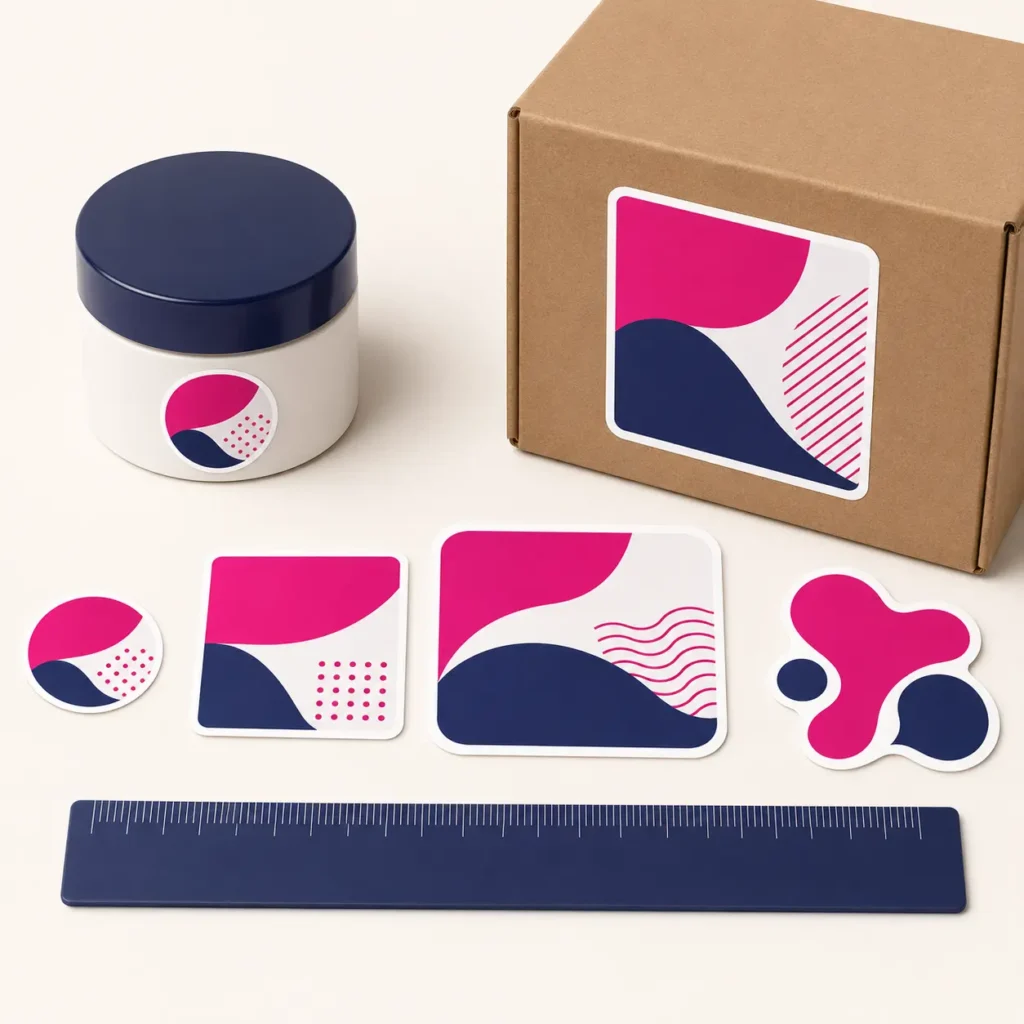
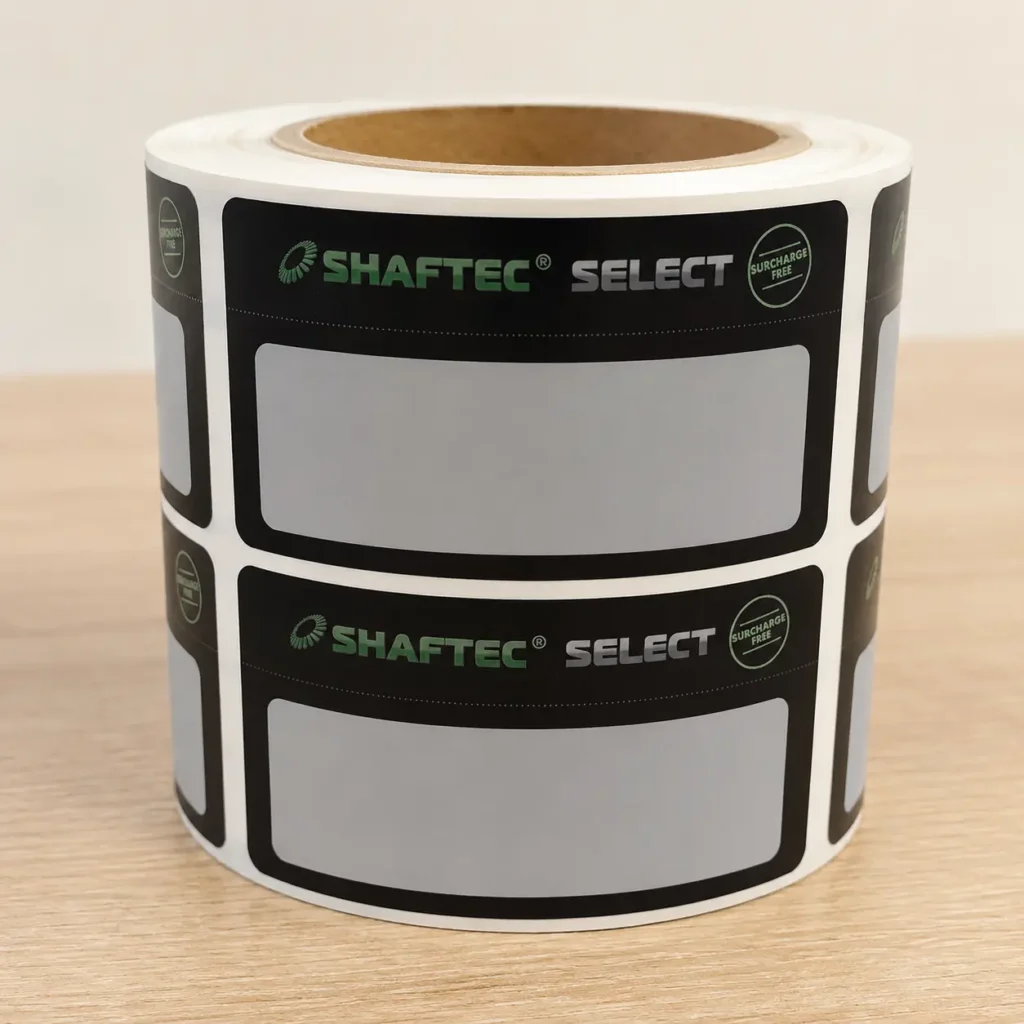
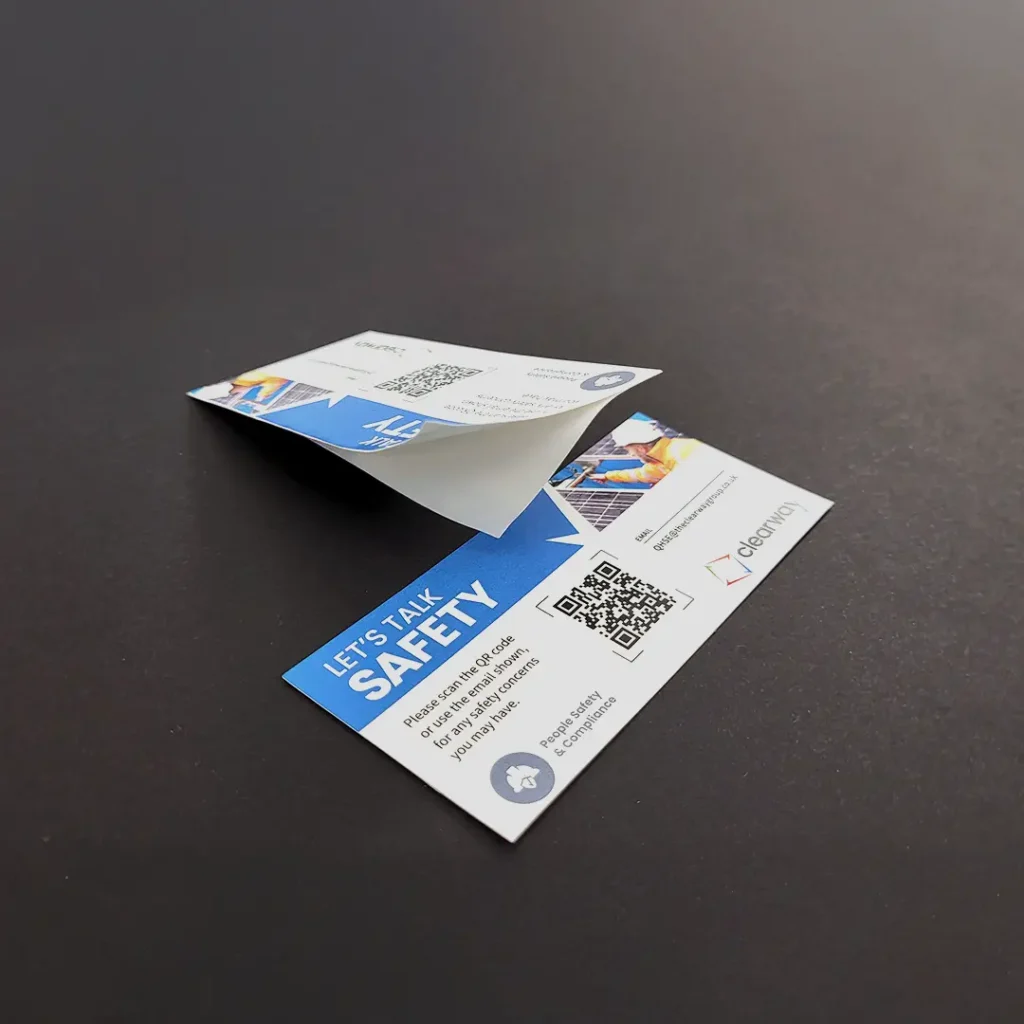
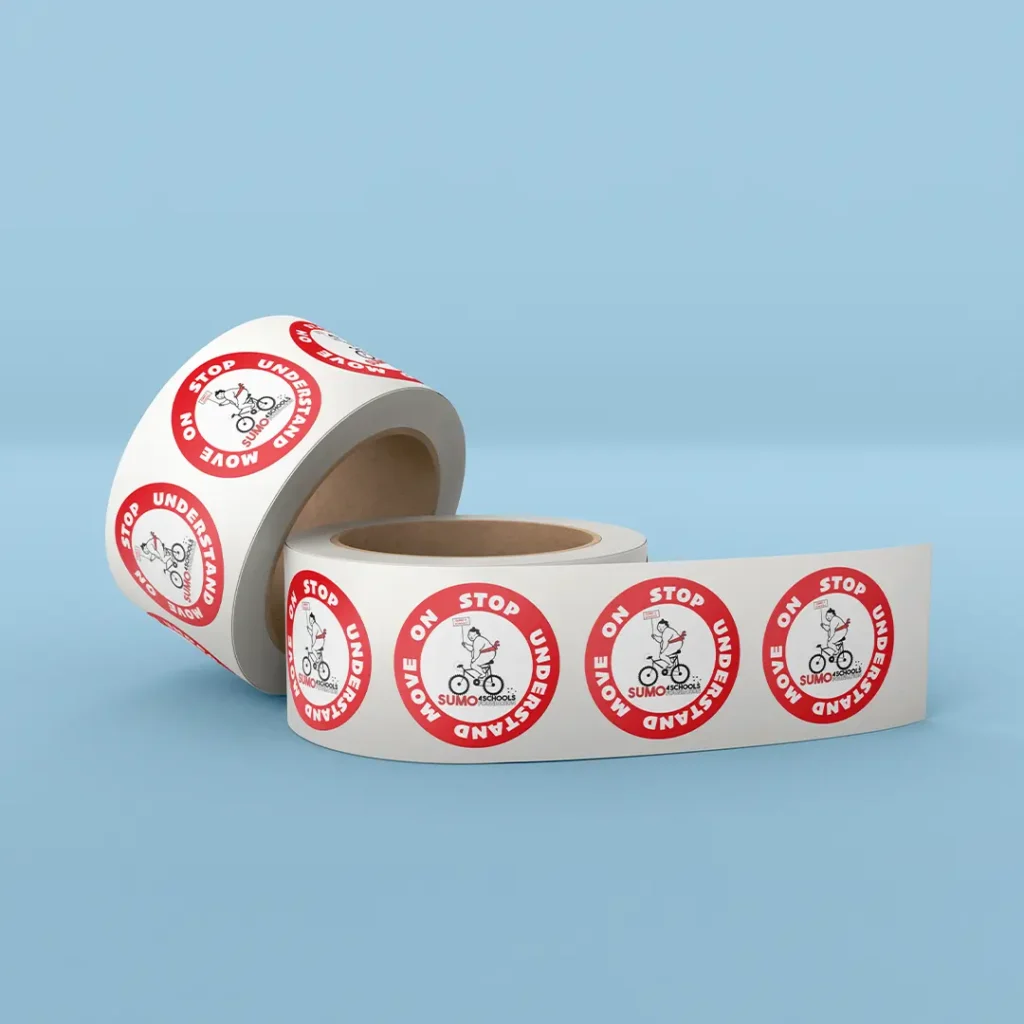
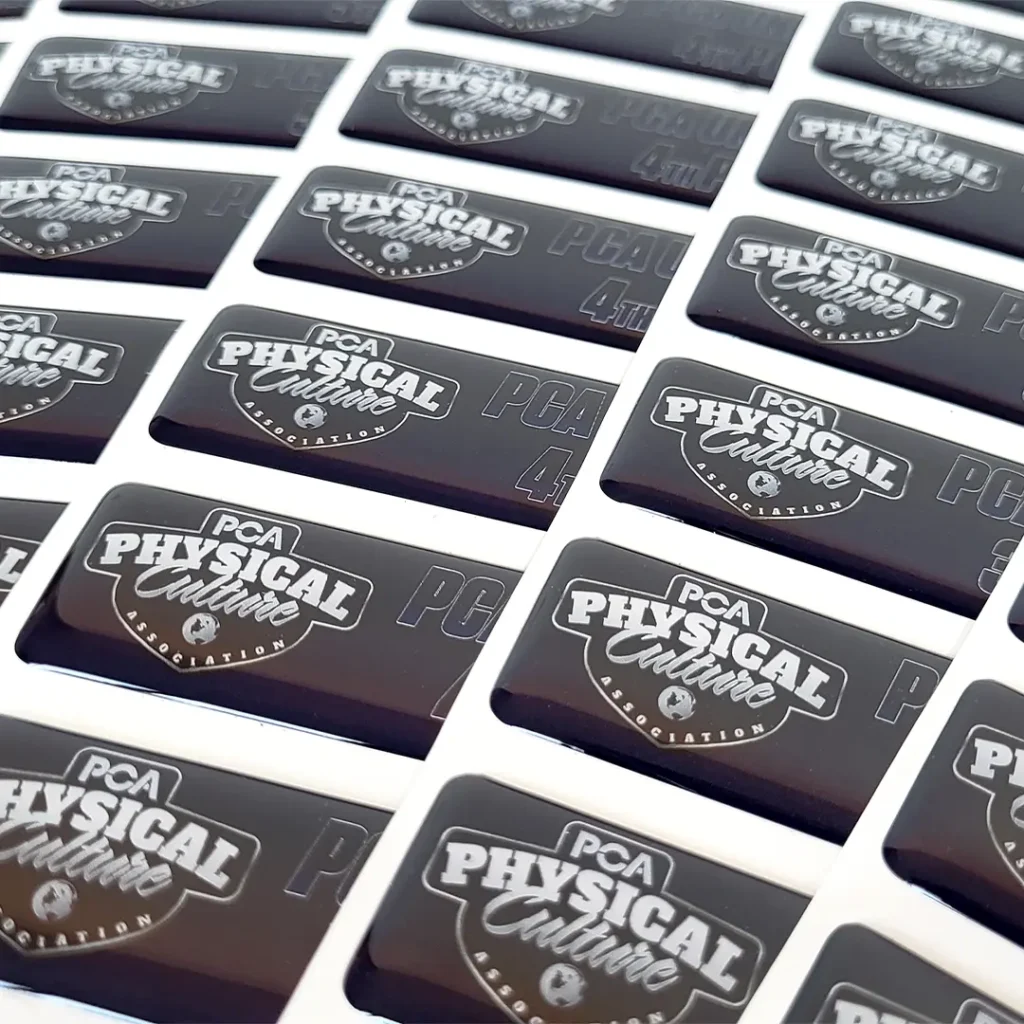
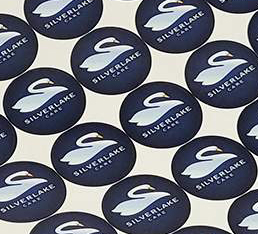
Sticker sizes
A sticker that is too small may be difficult to read. However, one that is too large may overwhelm the packaging, cover important information or be awkward to apply. The best size depends on what the sticker needs to do, where it will be placed and how much information the design contains.
This sticker size guide explains the main points to consider before ordering custom stickers or exploring the full range of stickers and labels available from Printmonster.
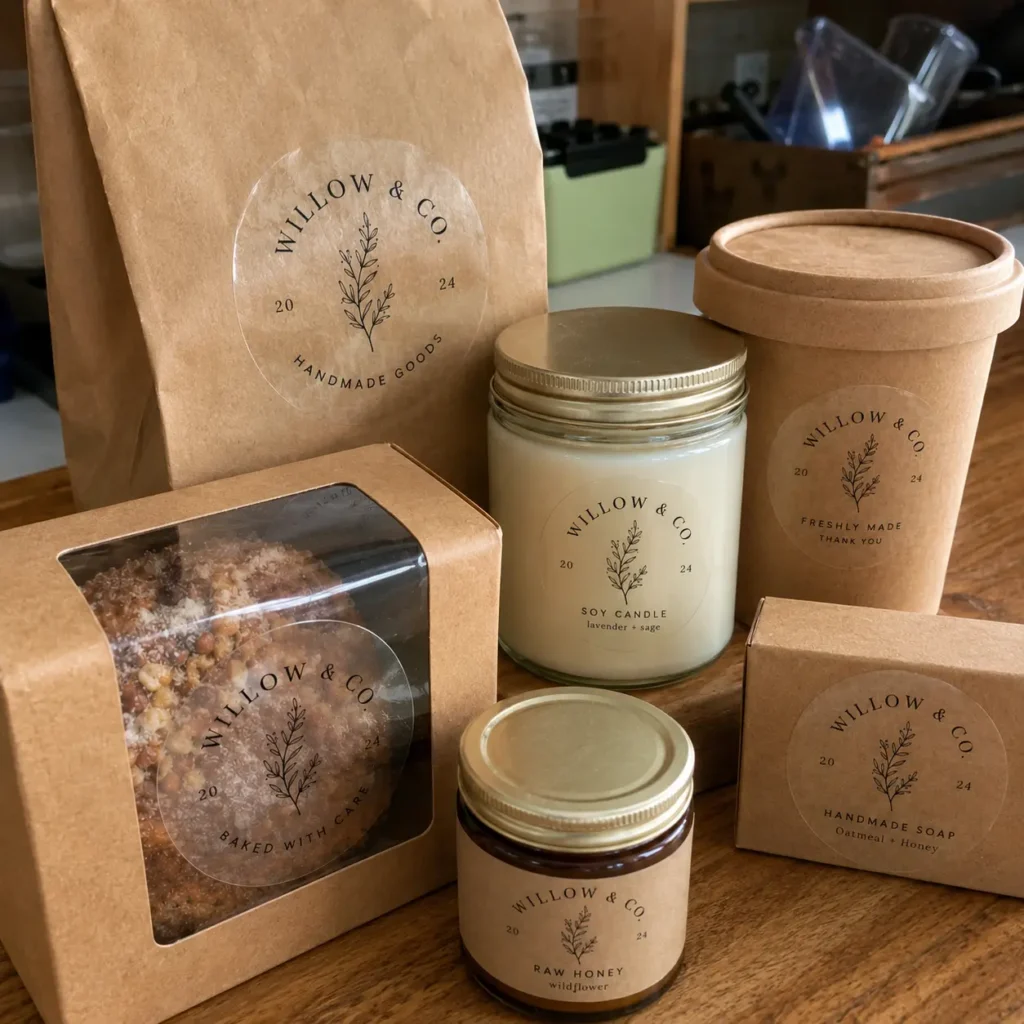
Start with where the sticker will be used
The first step is to look at the surface where the sticker will be applied.
Measure the available space rather than guessing. This is especially important for jars, bottles, boxes, bags, envelopes and other packaging where seams, curves, handles or existing information may reduce the usable area.
Consider whether the sticker will be placed:
- On the front of a product
- Across a lid or packaging seal
- On a bottle or jar
- On a box, bag or envelope
- In a window
- On equipment or tools
- On a vehicle
- Inside an order as a promotional giveaway
Once you know the available area, leave a little clear space around the sticker. This usually creates a neater finish and makes the sticker easier to apply.
The intended surface can also affect which material you need. For example, waterproof stickers may be more suitable where labels could come into contact with moisture, splashes or outdoor conditions. The Waterproof Stickers Explained guide provides more help with choosing a suitable option.
Think about viewing distance and readability
The amount of information in the design should help determine the finished size.
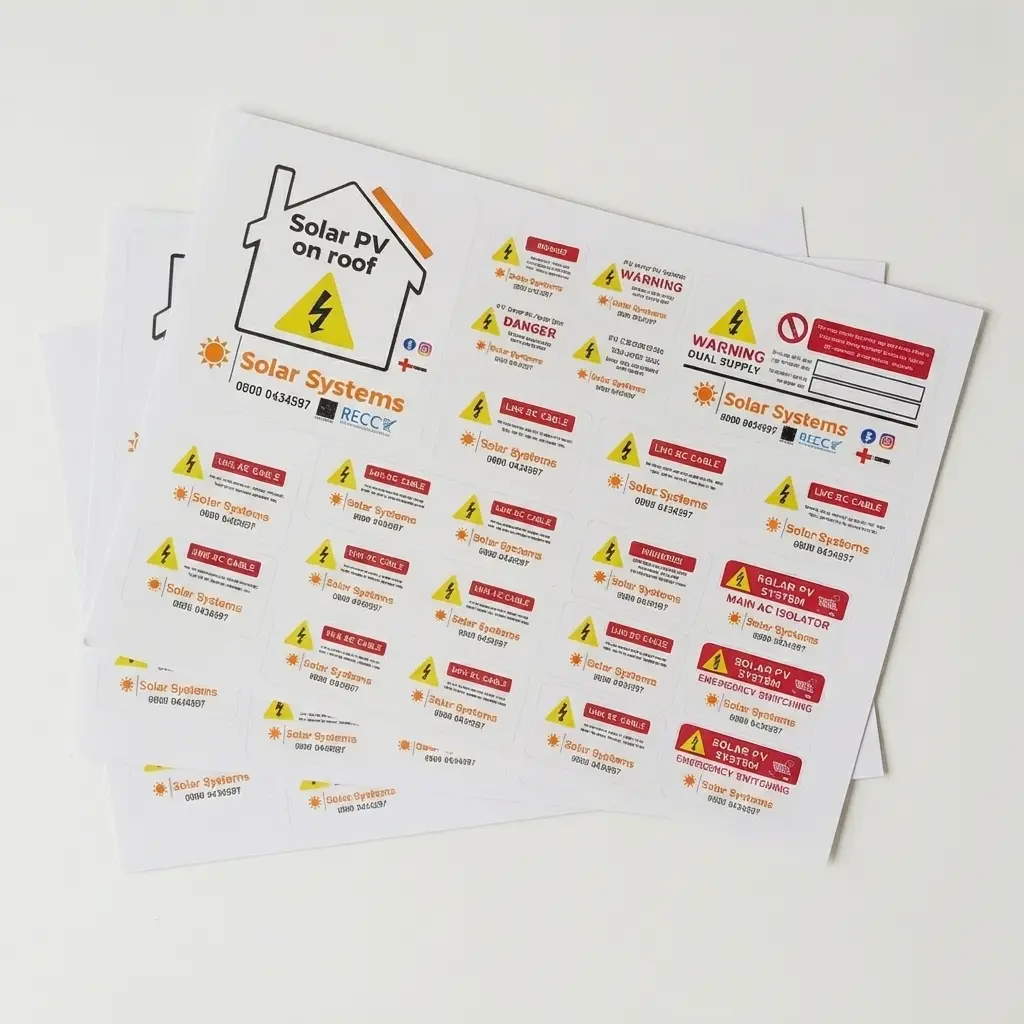
A simple logo can often work at a smaller size than a label containing ingredients, instructions, contact details or safety information. Small lettering may look clear on a computer screen but become difficult to read when the design is printed.
Try viewing the artwork at its intended finished size before ordering. Check that important wording is easy to read without zooming in.
For stickers designed to be seen from further away, such as window stickers, equipment branding or vehicle stickers, a larger size may be needed. Product labels that customers hold in their hands can usually use smaller text, but it should still be clear and comfortable to read.
Common sticker sizes and their uses
There is no single standard sticker size that suits every project. However, the following examples can help you picture some commonly used dimensions.
Around 25 mm
A sticker around 25 mm is quite small. It may suit simple symbols, quality control dots, small packaging seals or a very simple logo.
There is limited room for wording at this size, so the design should remain clean and uncomplicated.
Around 40 mm to 50 mm
This is a useful size range for small logo stickers, jar lids, packaging seals, envelope stickers and promotional giveaways.
A 50 mm round sticker is roughly similar in width to a small biscuit. It gives a logo more presence while still fitting comfortably on many packaging items.
Around 60 mm to 75 mm
Stickers in this range work well for product packaging, larger jars, bottles, takeaway packaging, boxes and general business branding.
There is more room for a logo and a short amount of supporting information. This can also be a practical size for promotional stickers that customers may place on notebooks, laptops or toolboxes.
Around 90 mm to 100 mm
A sticker around 100 mm has much more visual impact. It can suit larger packaging, windows, equipment, vehicles, promotional packs and branded giveaways.
This size also provides more room for contact details, a short message or a more detailed design.
Larger than 100 mm
Larger stickers may be suitable for windows, walls, vehicles, machinery, storage boxes, signs and display applications.
At this scale, it is important to consider viewing distance, application method and the shape of the surface. A large sticker may need to be applied carefully to avoid creases or trapped air.
These dimensions are only a guide. Custom stickers can be produced in many different sizes and shapes depending on the design and intended use.
Choosing a size for product labels
Product labels need to look attractive while leaving enough room for useful information.
Before choosing a size, list everything the label needs to contain. This may include:
- Your business or product name
- A logo
- A product description
- Ingredients or instructions
- Contact details
- Storage or care information
- Barcodes or batch details
- Any information required for your type of product
Next, measure the packaging and identify the flattest usable area.
For bottles, jars and tubs, remember that curved surfaces can affect how the label looks. A label that is too wide may wrap too far around the container, making information harder to see from the front.
You should also check whether the container narrows near the top or bottom. Applying a rectangular label across a tapered area may cause the edges to lift or wrinkle.
For larger quantities or labels that need to be applied efficiently, roll labels may be a practical option. If you want the packaging or product colour to remain visible through parts of the design, clear stickers may also be worth considering.
Choosing a size for logo and promotional stickers
Logo stickers usually work best when the artwork remains clear and recognisable at the finished size.
A detailed logo with small text may need to be larger than a simple symbol or bold wordmark. It may also help to remove very small supporting wording from promotional stickers if it will not be readable.
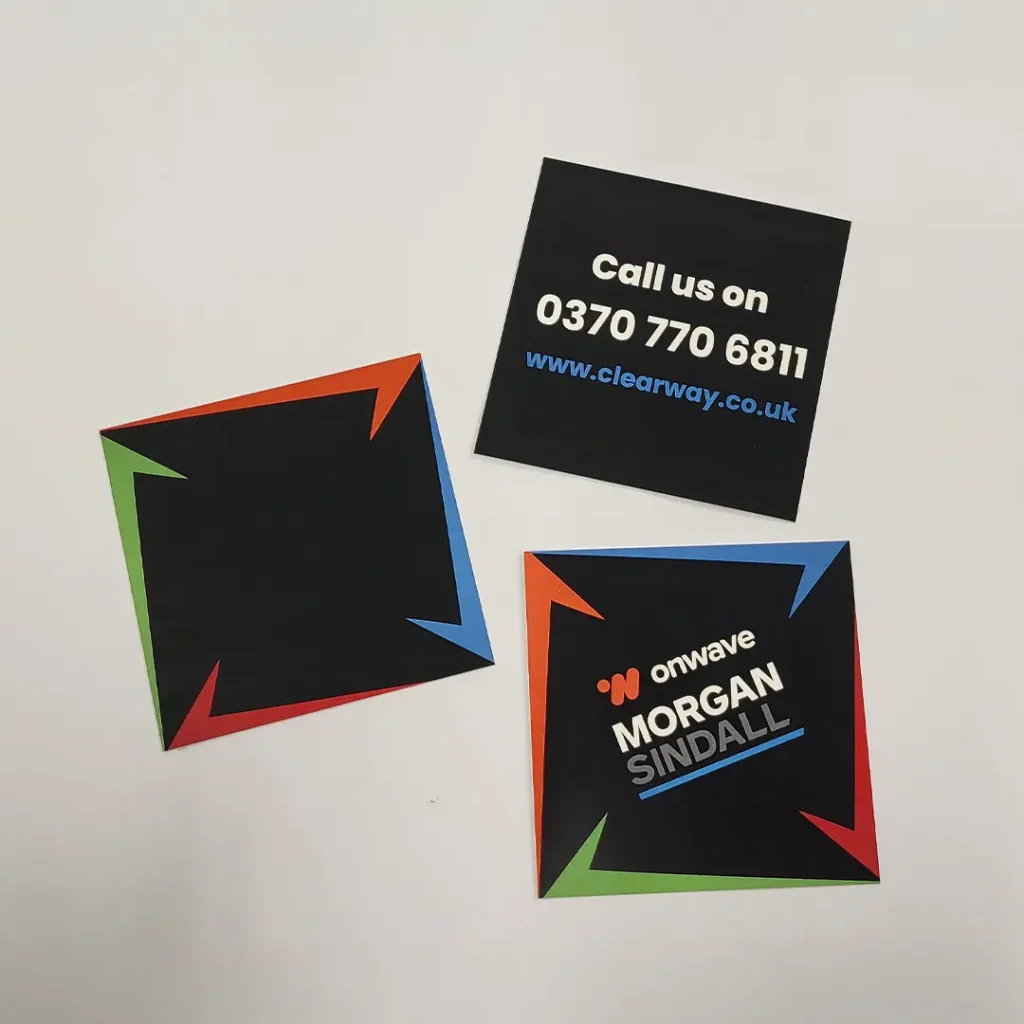
Think about how customers are likely to use the sticker. Smaller stickers can work well on packaging, envelopes and event materials. Medium sized stickers are popular for notebooks, laptops and promotional packs. Larger stickers may be better suited to windows, vehicles, toolboxes or equipment.
Die cut stickers can follow the outer shape of a logo or design. In comparison, kiss cut stickers remain on a larger surrounding backing sheet, which can make them easier to peel, handle and include in promotional packs.
The Die Cut Stickers vs Kiss Cut Stickers guide explains the difference in more detail and can help you choose the right format for your design.
Allow space around the sticker
It is usually better to leave a visible margin between the sticker and the edge of the surface.
For example, if the usable panel on a box measures 80 mm wide, an 80 mm sticker may feel cramped and could be difficult to align perfectly. A slightly smaller sticker may look more balanced and allow for small differences during application.
You should also avoid placing important parts of the design too close to the cut edge. Text, logos and other essential details need a safe area so they are not affected by normal cutting movement.
The How to Prepare Sticker Artwork guide explains safe areas, cut lines and artwork setup in more detail.
Test the size before ordering
One of the simplest ways to check a sticker size is to make a paper template.
Draw or print the proposed shape at the correct dimensions, cut it out and place it on the product or surface. This gives you a much clearer idea of scale than viewing the design on a screen.
Check the template from several angles and ask:
- Does it fit comfortably?
- Is there enough space around the edge?
- Will the design be easy to read?
- Does it cover any important packaging details?
- Does the shape suit the surface?
- Will it be easy to apply consistently?
For labels used on bottles, jars or tubs, wrap the paper template around the container to see how much of the design remains visible from the front.
You should also consider how the finish will affect the appearance of the design. The Gloss vs Matt Stickers guide explains how these finishes can change the look and feel of a printed sticker.
Remember that shape affects the finished size
Sticker measurements are normally based on the overall width and height of the finished shape.
A 50 mm round sticker and a 50 mm square sticker have different printable areas, even though both are described as 50 mm. Likewise, an irregular die cut design may contain narrow sections that limit the space available for wording.
When comparing sizes, consider the usable area inside the shape rather than looking only at the maximum width.
Long, narrow stickers can suit packaging seals, window lettering or equipment labels. Round stickers work well for logos, lids and promotional use. Square and rectangular labels provide more room for product information.
See a related sticker and label project
Want to see how printed labels are used in a real project?
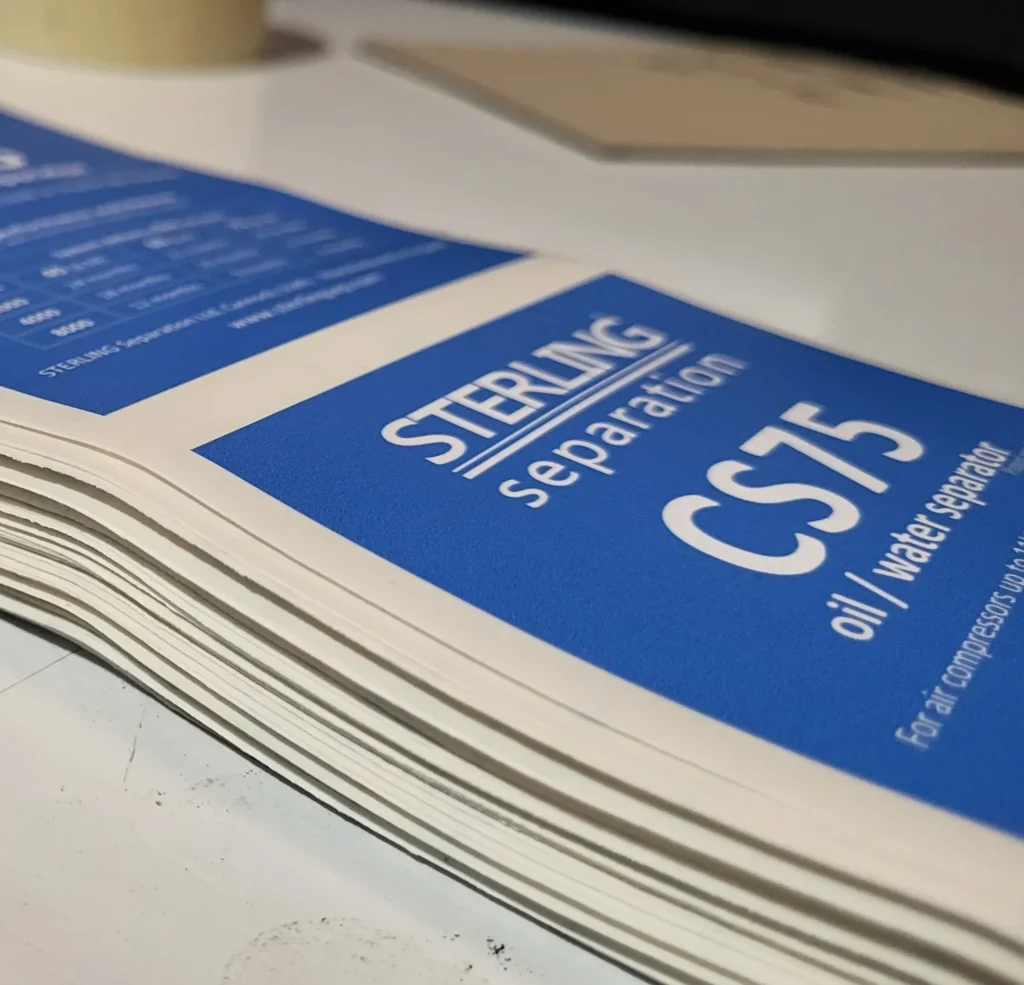
Take a look at the Printmonster story about vinyl labels produced for Sterling SEP. It provides a practical example of custom labels created for business equipment.
Label & Stickers FAQ
What is the most popular size for a logo sticker?
There is no single best size, although stickers around 50 mm to 75 mm often work well for logos, packaging and promotional giveaways. The right choice depends on the amount of detail in the logo and where the sticker will be placed.
How do I measure for a product label?
Measure the flat usable area of the packaging and leave some clear space around the edges. On bottles and jars, check whether the surface curves or tapers before deciding on the final width.
How small can sticker text be?
This depends on the typeface, letter thickness, contrast and printing method. Instead of relying only on a font size, print the artwork at its finished dimensions and check whether it is comfortable to read.
Should my sticker fill the whole available space?
Not always. A small margin around the sticker often makes the design look more balanced and makes accurate application easier.
Can stickers be made to a custom size?
Yes. Stickers and labels can be produced in many custom sizes and shapes. Send Printmonster the required dimensions or details of the surface, and the team can advise on the next step.
Does a shaped sticker need to be larger?
It may do. Irregular shapes can reduce the usable area available for text and logo details. The design should be checked at the finished size before printing.
Can Printmonster help me choose a sticker size?
Yes. Send your artwork, measurements and information about where the sticker will be applied. Printmonster can offer practical guidance and help you choose a suitable sticker or label option.
Need help with your stickers or labels?
Send Printmonster your artwork, proposed measurements and a photograph of the product or surface if available.
Our friendly team can help you consider the size, shape, material and finish before your stickers go to print.